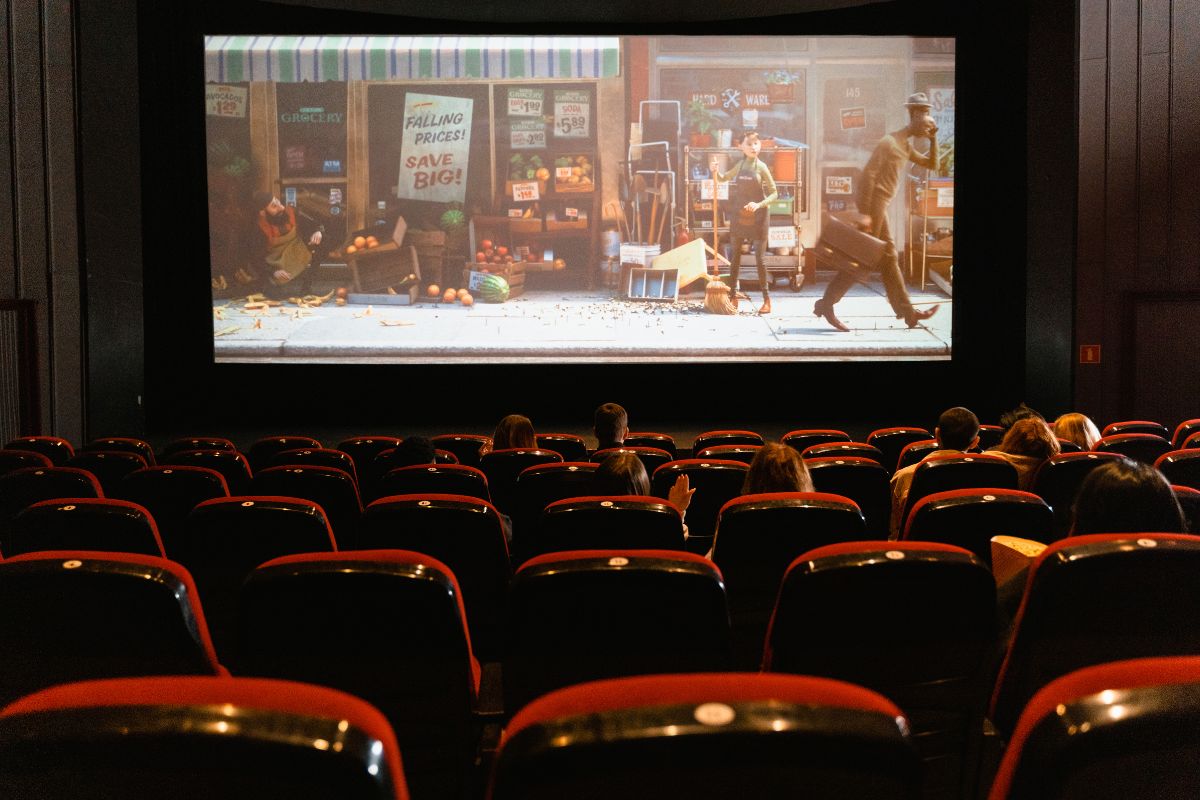
The best part of movie night is walking in calm, not sprinting down the corridor with your phone flashlight on. Trailers are not filler. They set the mood. They also buy you a few minutes to settle in, find your seat, and stop thinking about the street outside. If you keep missing them, it is rarely because you are careless. It is usually because you are using the wrong “arrival target” in your head. You are aiming for showtime, when you should be aiming for a personal, earlier time that includes real life friction.
Quick Summary
Build an arrival plan that treats trailers as part of the experience. Set one target time for “inside the cinema”, then work backwards with buffers for transit, tickets, and snacks. Keep the buffer consistent, and you stop guessing every time.
Showtime Is Not Your Real Deadline
Showtime is the published start of the program, not the moment you want to enter the lobby. Many people aim for the printed time because it feels objective. It is not. Your real deadline depends on how you get there, what the venue entry feels like at that hour, and whether you are collecting tickets or scanning a code. Even the smallest delay stacks. A slow escalator, a crowded lift, one payment that needs a second tap, it all adds up. The fix is simple. You choose a realistic “in seat” target and treat everything else as a separate block that needs time.
Once you do that, arriving becomes repeatable. You do not need to debate it every week. You will also notice that stress disappears first, then lateness disappears. A calm entry gives you better choices. You can use the washroom without panic. You can grab water without rushing. You can even pick a better row if the room is still filling. That is the quiet win people forget to count.
Pick a Target That Includes Trailers
Here is a practical way to think about it. Your goal is to be seated before trailers begin, not before the feature begins. Even if you love walking in “just in time”, trailers are still a cushion that protects your night when the city does what cities do. You can set a single rule and keep it steady. “Inside, scanned, and walking to my seat, ten minutes before showtime” is a solid baseline for most situations. From there, you adjust based on the session and your habits.
To make that target concrete, use a countdown that tells you exactly how much time is left, rather than estimating in your head. If you plug your session time into a time until calculator, it becomes obvious whether you have room for a quick bite, or whether you should leave now and keep it simple. That clarity is what stops the last minute internal debate. It also stops the “one more thing” trap at home.
Your Commute Buffer Is a System, Not a Mood
A commute buffer is not just extra minutes for being cautious. It is a deliberate allowance for the most common points of drag. In Hong Kong, the pattern is familiar. A train is slightly delayed. A bus arrives full. A crossing takes longer because the flow is heavy. A taxi gets stuck at the worst junction. None of that is dramatic. It is normal. The goal is not to eliminate uncertainty. The goal is to stop uncertainty from stealing your trailers.
Think in layers. Layer one is your travel time. Layer two is venue entry, which can include lifts, escalators, security, ticket scanning, and walking from the mall entrance. Layer three is personal tasks, like the washroom or buying snacks. When you plan, you do not need to be perfect. You just need to be consistent. A consistent buffer beats a clever plan that changes every time.
A Simple Backward Plan You Can Reuse
This format works because it stays human. It does not require apps fighting each other, and it does not require you to predict traffic perfectly. You just pick your session, then subtract blocks. Keep the blocks stable for a few visits, then adjust only if reality shows you a better number.
1. Choose your “in seat” target time, earlier than showtime.
2. Add a lobby buffer for scanning, lifts, and walking to the screen.
3. Add a snack and washroom buffer, based on your habit.
4. Add your commute time, plus a transit buffer for delays.
5. Set a leave time, and treat it as fixed.
Notice what is missing. There is no fantasy that you can “make it up” by walking faster. Walking faster usually just makes you arrive tense. Tense arrivals are the ones that drop popcorn, forget which screen, and end up searching for seats in the dark. Calm arrivals feel longer, yet they often cost less time than a stressed one, because you stop making small mistakes.
A Useful Reference for Real Time Movement
If you want a credible way to sanity check your buffer assumptions, it helps to look at official transport planning tools that reflect real conditions and typical route options. The Hong Kong Government’s HKeMobility service includes route enquiry for public transport, driving, and walking, plus real time traffic and transport info. It is a clean way to confirm whether your “usual” journey still looks normal on a particular day. You can use HKeMobility route enquiry as a quick check when weather or peak hour crowds can shift your baseline.
This is not about turning movie night into logistics. It is about avoiding the one scenario that ruins the experience, arriving at your seat already flustered, with trailers already halfway done. A light touch check is enough. Most of the time, your system does the work without you thinking much at all.
List of Small Delays That Steal Trailers
People often underestimate how “tiny” delays stack. One minute here and two minutes there becomes ten minutes without you noticing, because you only feel it at the end. If you build your plan around where time leaks, the plan stays realistic.
- Lift queues in busy malls during weekend sessions.
- Ticket redemption steps when a voucher needs staff help.
- Slow entry flow when many people arrive at once.
- Snack line spikes right before showtime.
- Seat searching when a friend texts a different row number.
The point of listing these is not to make you anxious. It is to make your buffer feel justified. When you know what the buffer is protecting you from, you keep it. Without that mental model, you cut the buffer on “good days”, then you pay for it on ordinary days.
Buffer Guide Table You Can Screenshot
Here is a simple guide you can use as a starting point. It is not a rule. It is a set of default buffers that you can tune after a few visits. If you consistently arrive too early, reduce one block slightly. If you still miss trailers, increase the transit buffer first, not the lobby buffer.
| Scenario | Lobby Buffer | Snack Buffer | Transit Buffer |
|---|---|---|---|
| Weeknight, familiar route | 8 minutes | 6 minutes | 10 minutes |
| Friday night, busy mall | 12 minutes | 10 minutes | 15 minutes |
| Weekend afternoon, tickets to collect | 15 minutes | 10 minutes | 15 minutes |
| New venue, first visit | 18 minutes | 8 minutes | 15 minutes |
How to Keep the Plan Friendly
A timing system only works if it feels kind. If it feels strict, you will rebel against it, then you will go back to guessing. The trick is to make the plan give you something you want. That “something” can be a relaxed drink, a washroom break without stress, or five minutes to sit and do nothing before the lights go down. Once you feel that benefit, your brain stops treating early arrival as wasted time.
It also helps to decide in advance what you do if you arrive early. The answer can be simple. Walk in, scan, buy water, sit. No wandering around the mall. No last minute shopping. You can still be spontaneous on other nights. Movie night becomes your one routine that protects itself.
Practical Habits That Reduce Last Minute Surprises
These are small and realistic. None of them require perfection. They just reduce the number of decisions you make on the way, which is where time disappears.
- Keep your ticket and QR code ready before you reach the entrance area.
- Choose snacks that are quick to purchase when you are tight on time.
- Agree on a meeting point with friends that is inside the venue area, not outside.
- Use the same route to the cinema for a few visits until your buffer feels accurate.
- Pick a leave time and stop negotiating with yourself after that point.
If you attend with friends, the biggest time risk is coordination. One person runs late and everyone waits outside. A simple fix is to plan for independent entry. Each person arrives, scans, and heads to the screen. Meeting inside removes the pressure to hover around the entrance and watch the minutes drain away.
When You Still Arrive Late, Adjust the Right Thing
If you miss trailers even after planning, do not throw out the whole system. Adjust one block at a time. Most late arrivals come from underestimating transit variability, not from underestimating snack time. Traffic and platform crowds swing more than you think. Increase your transit buffer by five minutes for the next visit, then observe. If you are always collecting tickets, increase the lobby buffer instead. Keep changes small, and keep the rest stable.
A stable plan teaches you quickly. A plan that changes every time teaches you nothing. After a few sessions, you will know your personal numbers. At that point, you can plan in seconds, because the blocks are already decided.
Walk In While the Lights Are Still Up
Trailers are a gift. They give you a gentle entry, a moment to land, and a bit of breathing room before the story begins. When you plan for them on purpose, you stop treating arrival as a race. You also stop losing the first slice of the cinema experience, the part where the room is filling, the sound is building, and you feel the night begin.
Once you have a leave time that includes buffers, the rest becomes easy. You do not need to be strict. You just need to be consistent. Your future self will thank you when you sit down, your snacks are in hand, and the screen is still showing trailers instead of the opening scene.
No Responses